What is Paint Protection Film (PPF) and Why Does It Matter?
Every time you drive, your car’s paint is under attack. Road debris, rock chips, bird droppings, UV rays, and bug splatter all come together and degrade your paint over time. Once the damage is done, fixing it isn’t cheap—repainting a car or even a single panel can cost thousands, and color matching is never perfect. This is why Paint Protection Film (PPF) has become one of the most effective ways to safeguard your car’s exterior.
But what exactly is PPF? How does it work, and is it really worth the investment? This guide will break down everything you need to know about paint protection film, from how it functions to what you should look for in a high-quality installation.
What is Paint Protection Film?
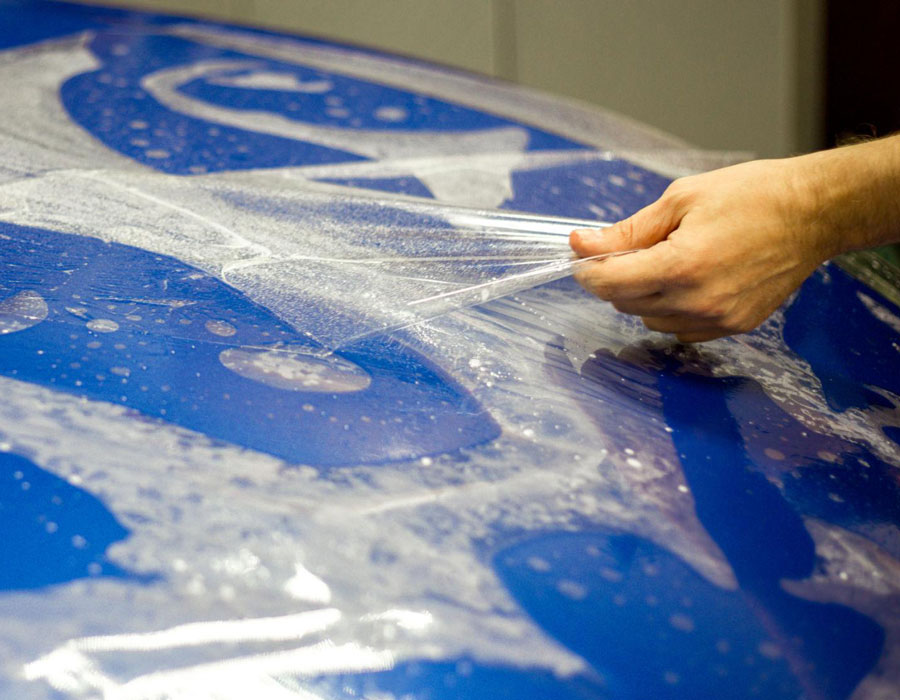
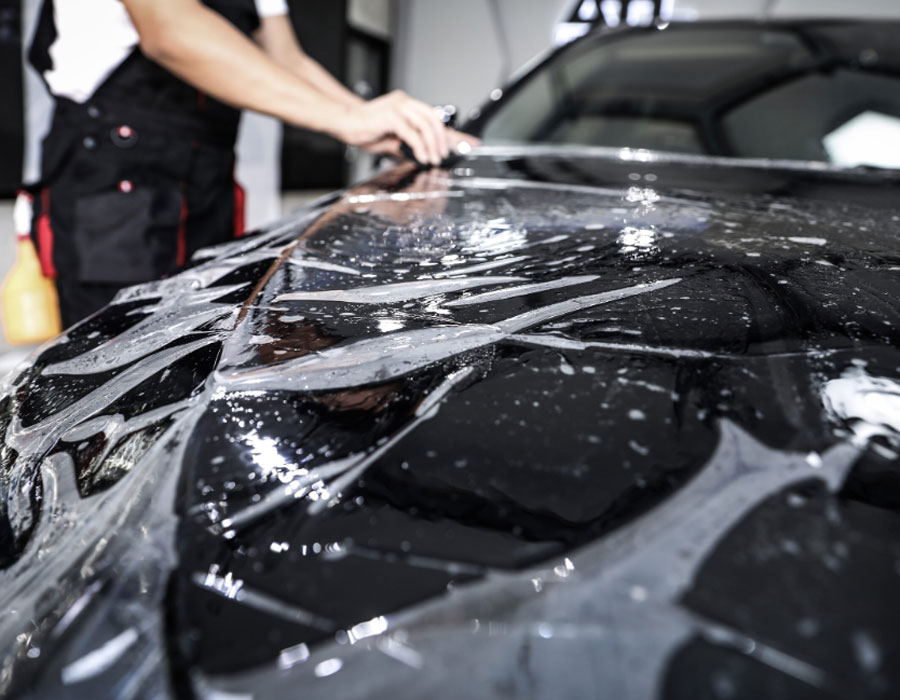
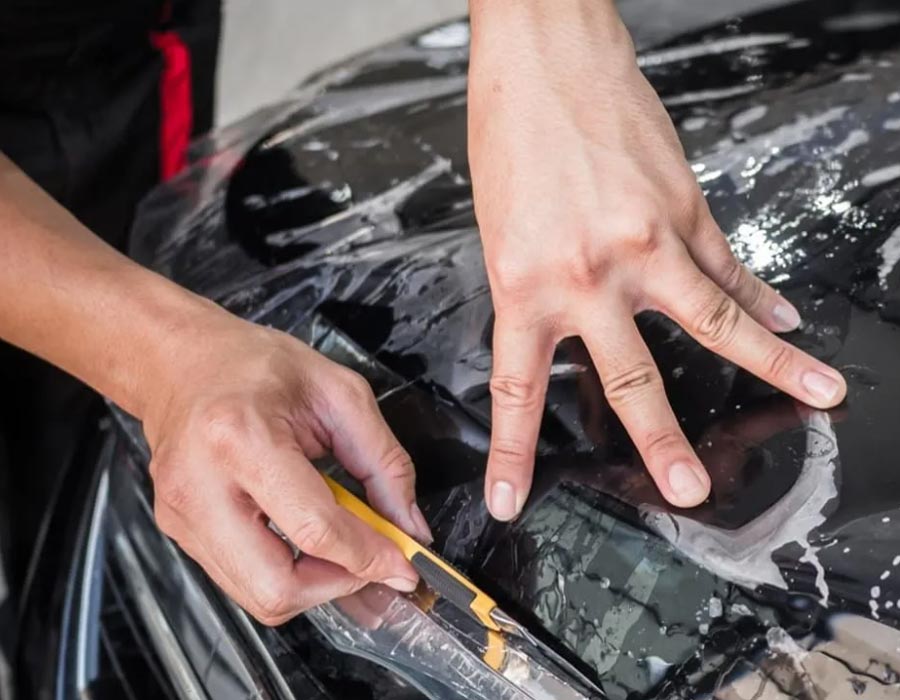
Paint Protection Film, commonly referred to as PPF or clear bra, is a thin, transparent polyurethane film applied to a vehicle’s exterior surfaces to shield the paint from damage. Originally developed for military applications to protect helicopter blades from debris, PPF has evolved into a high-tech protective solution for cars, motorcycles, and even boats.
At its core, PPF acts as an invisible shield, absorbing impacts and preventing scratches, stains, and chemical damage from reaching the paint beneath. Unlike traditional wax or ceramic coatings, which only provide a hydrophobic barrier, PPF offers actual physical protection against road debris and minor abrasions.
But what exactly is PPF? How does it work, and is it really worth the investment? This guide will break down everything you need to know about paint protection film, from how it functions to what you should look for in a high-quality installation.
What is Paint Protection Film?
Paint Protection Film, commonly referred to as PPF or clear bra, is a thin, transparent polyurethane film applied to a vehicle’s exterior surfaces to shield the paint from damage. Originally developed for military applications to protect helicopter blades from debris, PPF has evolved into a high-tech protective solution for cars, motorcycles, and even boats.
At its core, PPF acts as an invisible shield, absorbing impacts and preventing scratches, stains, and chemical damage from reaching the paint beneath. Unlike traditional wax or ceramic coatings, which only provide a hydrophobic barrier, PPF offers actual physical protection against road debris and minor abrasions.